
Main Causes of Hair Loss: 10 Key Factors You Should Know
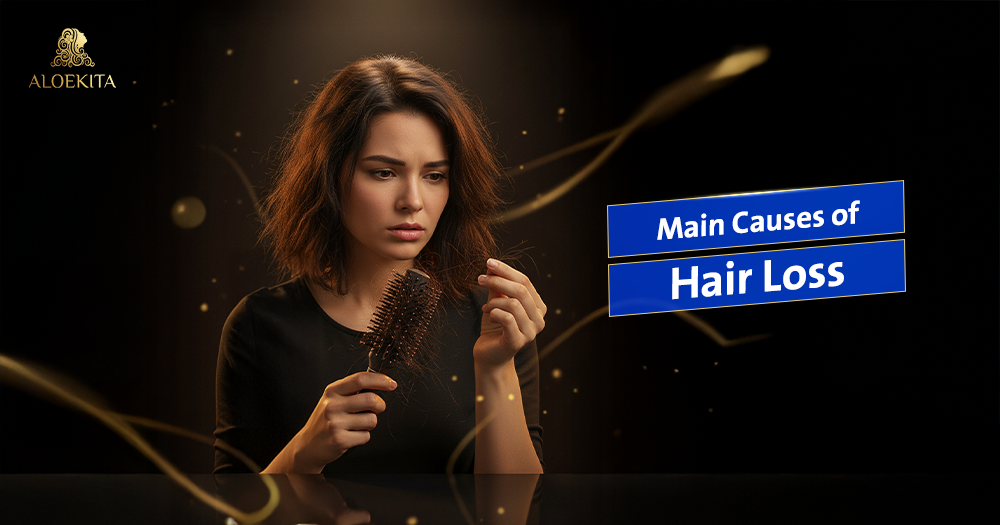
Imagine waking up one morning to find strands of hair falling from your scalp with every brush or wash. This moment is often the first sign of a problem experienced by millions of people worldwide. Hair loss is not just about appearance-it directly affects self-confidence and overall image, and it may indicate underlying health issues or lifestyle habits that need reevaluation.
Hair loss affects millions of men and women globally and represents a major psychological and cosmetic concern. Its severity ranges from mild daily shedding to noticeable thinning that reduces hair density and impacts confidence.
In many cases, hair loss results from multiple interconnected factors such as genetics, hormones, nutrition, environmental exposure, and lifestyle habits. Understanding these causes is the first step toward effective prevention and treatment.
In this article, we explore the main causes of hair loss in detail, explain how each factor affects the hair and scalp, and provide practical tips to reduce shedding and improve overall hair health.
Understanding the Hair Growth Cycle
To understand the main causes of hair loss, it is essential to know the hair growth stages:
1- Anagen Phase (Growth)
The longest phase, during which hair grows actively and may last for several years.
2- Catagen Phase (Transition)
A short phase where hair growth temporarily stops before shedding.
3- Telogen Phase (Shedding)
Old hair falls out and is replaced by new hair. Normally, 10-15% of hair is in this phase at any given time.
Any disruption in these stages can lead to excessive hair loss, which is why understanding the growth cycle is crucial for identifying root causes and proper treatment.
Genetic and Hormonal Factors
1- Genetics
The most common cause of hair loss in both men and women is genetic predisposition.
Hair follicles become sensitive to the DHT hormone, leading to gradual follicle shrinkage and reduced hair thickness and length.
This type of hair loss typically appears at the hairline or crown.
2- Hormonal Changes
Thyroid disorders directly affect hair growth.
In women, changes in estrogen and progesterone levels after pregnancy or menopause can cause hair thinning.
Elevated DHT levels in men weaken follicles and lead to progressive hair loss.
Nutrition and Poor Nutrient Absorption
1- Protein Deficiency
Hair is primarily made of keratin protein. A lack of protein in the diet weakens hair follicles and increases shedding.
2- Vitamin and Mineral Deficiencies
Iron: Deficiency reduces oxygen delivery to hair follicles.
Zinc: Deficiency weakens hair growth and increases breakage.
Biotin and Vitamins A, C, D, and E: Essential for healthy follicle production.
3- Poor Digestion or Crash Diets
Rapid weight loss or unbalanced diets lead to nutrient deficiencies, often causing sudden hair loss in a short period.
Psychological Stress and Fatigue
1- How Stress Affects Hair
Chronic stress increases cortisol levels, disrupting the hair growth cycle.
It can cause Telogen Effluvium, where hair follicles enter the shedding phase prematurely.
2- Tips to Reduce Stress Impact
Regular physical activity
Getting 7-8 hours of sleep daily
Practicing meditation, relaxation techniques, and deep breathing
Read also: The Benefits of Aloekita Green Shampoo 2026 | BBI
Environmental Factors
1- Sun Exposure and Heat
UV rays damage keratin and increase hair fragility.
Direct heat from hair dryers and flat irons negatively affects both hair and scalp.
2- Pollution and Toxins
Polluted air and dust accumulate on the scalp, reducing oxygen and nutrient delivery to follicles.
Increased inflammation caused by pollution contributes to hair loss.
3- Water and Climate
Salty or contaminated water and sudden climate changes negatively affect scalp health and increase hair breakage.
Read also: Best Product for Hair Loss Treatment: Top 2 Shampoos
Scalp Health Issues
1- Dandruff and Inflammation
Fungal infections and chronic dandruff weaken follicles and increase shedding.
2- Excess Oil Secretion
Excess sebum can clog pores and impair healthy hair growth.
3- Scalp Care Tips
Wash hair regularly with a suitable shampoo
Massage the scalp to stimulate blood circulation
Maintain scalp cleanliness to reduce irritation
Read also: Best Hair Thickening Product
Lifestyle and Hair Care Habits
1- Hair Brushing
Aggressive brushing or using fine-tooth combs increases breakage and hair loss.
2- Heat Exposure
Avoid frequent use of flat irons and blow dryers.
Protect hair from prolonged sun exposure.
3- Sleep and Daily Habits
Adequate sleep reduces stress-related hair loss.
Regular exercise improves blood flow to the scalp.
Read also: https:Hair Loss Treatment Products: Top 3 Backed Solutions
Table Main Causes of Hair Loss
| Cause | Effect on Hair | Prevention Method |
|---|---|---|
| Genetics | Gradual thinning | Medical evaluation |
| Protein deficiency | Weak follicles | Adequate protein intake |
| Vitamin deficiency | Breakage and weakness | Balanced diet & supplements |
| Psychological stress | Telogen effluvium | Relaxation techniques |
| Pollution & heat | Hair damage | Protection & regular cleansing |
| Scalp issues | Dandruff & inflammation | Scalp care and massage |
Daily Tips to Reduce Hair Loss
Use a wide-tooth comb
Limit exposure to heat and direct sunlight
Keep hair and scalp naturally moisturized
Follow a protein- and mineral-rich diet
Exercise regularly and manage stress
Get sufficient sleep daily
Conclusion
Understanding the main causes of hair loss is a crucial step toward prevention and effective treatment. Genetics, hormonal changes, nutritional deficiencies, stress, environmental factors, and scalp conditions all play a major role in hair health. Adopting a healthy lifestyle, maintaining a balanced diet, getting adequate sleep, and reducing exposure to harmful factors can significantly reduce hair loss and improve overall hair strength and appearance.
FAQ
Do hormonal changes in women affect hair loss?
Yes, especially after pregnancy or menopause.
Related Post
Postpartum Hair Loss Treatment: 4 Effective Solutions
After childbirth, women go through a critical phase that significantly affects hair health. Many women experience noticeable hair loss due
The Most Powerful Hair Loss Treatment: 4 Solutions
Hair loss is a common concern that affects appearance and self-confidence, driving many people to search for the most powerful
Hair Loss Medication from the Pharmacy: 4 Powerful Solutions
Hair loss is a common problem affecting both men and women. Many people search for an effective and safe hair